


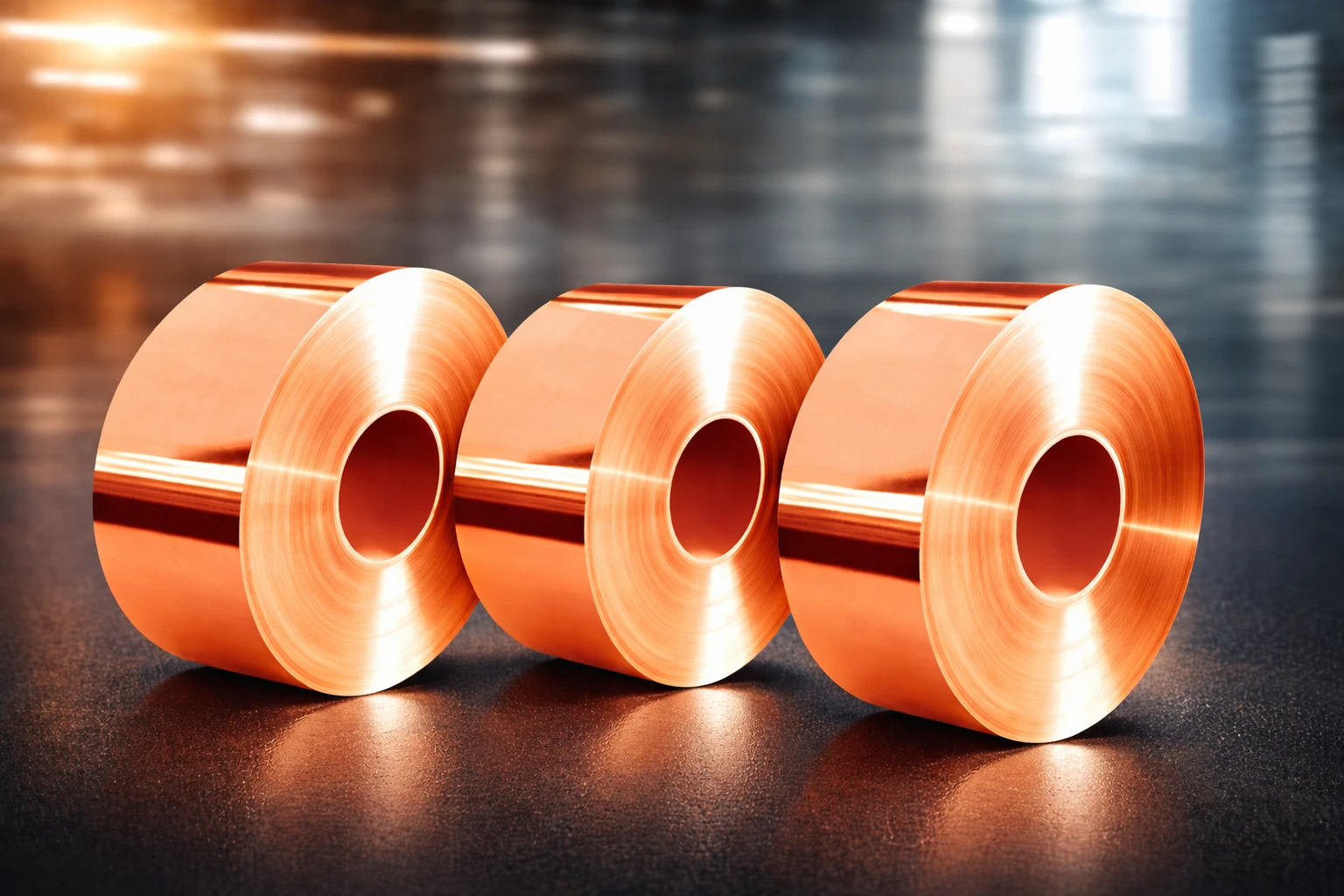
If there’s one material quietly powering the future of mobility, it’s copper. Strong, conductive, corrosion-resistant, and endlessly versatile, copper has been at the heart of vehicles for decades. But as automotive engineering evolves with electrification, connected systems, and lighter, more efficient designs, a very specific form of copper has taken centre stage: copper alloy strips.
In this blog, we’ll explore why copper alloy strips automotive applications are growing rapidly, how these materials support everything from traditional ICE vehicles to EVs, and why auto manufacturers rely on them for reliability, sustainability, and performance.
Whether you’re looking at fuel-powered vehicles or cutting-edge electric cars, one thing remains constant: metal components must be strong enough to endure heat, pressure, vibration, and electrical loads. This is where copper alloy strips deliver exceptional value.
Unlike pure copper strips, copper alloys combine copper with elements like zinc, nickel, tin, and iron to significantly enhance strength, durability, fatigue resistance, and stress relaxation properties. These improvements make them ideal for demanding automotive environments.
Their ability to balance conductivity and strength is what gives copper alloy strips an edge over other metals.
Today’s vehicles are computers on wheels. From infotainment screens and ADAS sensors to smart ECUs and EV powertrains, every component depends on stable and efficient electrical flow.
Copper, already the most conductive engineering metal after silver, becomes even more reliable when alloyed. Auto engineers prefer auto-grade copper and copper alloys because they:
This is crucial in systems where microsecond-level accuracy can impact safety, think ABS sensors, airbags, and engine management systems.
Automotive components face constant mechanical stress: engine heat, road shocks, humidity, and millions of load cycles. Copper alloy strips automotive engineering ensures the metal doesn’t deform, crack, or lose its properties over time.
Copper alloys like brass, bronze, and high-performance nickel-copper alloys offer:
This is why copper alloy strips are used extensively in terminal blocks, connectors, fuse boxes, and relay systems.
With electric vehicles dominating future mobility, copper demand within the automotive sector has skyrocketed. An EV requires 3–4 times more copper than a conventional vehicle, and a significant portion of this copper goes into EV copper materials, especially alloy strips used in:
As battery technologies evolve, NMC, LFP, solid-state, copper alloy strips automotive EV applications continue to expand.
In an industry increasingly focused on eco-friendly manufacturing, copper stands out as one of the most sustainable metals. It is 100% recyclable without loss of properties, making copper alloys a preferred choice for circular automotive production.
Scrap generated during stamping or slitting processes is easily recycled, lowering carbon footprints and contributing to global sustainability goals.
To understand their true importance, imagine opening up a car’s electrical system. You’ll find copper alloy strips in:
Every connector, from headlights to ECUs, relies on high-strength, corrosion-resistant terminals made using auto-grade copper.
EVs use copper alloy strips for busbars and battery connections due to their load-bearing capacity.
Modern vehicles have 50+ sensors. Many use copper alloy contacts or signal carriers.
Low-resistance copper strips ensure reliable switching and minimal heat buildup.
Copper alloy strips help maintain high-speed data transfer integrity.
Steel may be strong, aluminum may be light, but copper alloys offer the best combination of electrical and mechanical performance. Engineers choose them because they offer:
These benefits directly impact safety, vehicle performance, and long-term reliability.
Looking ahead, copper alloys will play an even bigger role due to:
Innovations like ultra-thin copper foils, high-strength micro-alloys, and thermally enhanced copper strips are already shaping next-generation mobility.
From classic petrol engines to modern EVs, copper alloys are the silent backbone of automotive engineering. Their unmatched combination of conductivity, durability, and manufacturability makes them indispensable, especially as vehicles become smarter, more electric, and more efficient. Whether it’s auto-grade copper in connectors or EV copper materials in battery systems, copper alloy strips ensure that every electrical signal and every power transfer happens flawlessly.
In short, copper alloy strips automotive applications are not just important, they’re essential to the vehicles we rely on every day.
For automakers seeking high-quality copper alloy strips automotive applications, Rashtriya Metal Industries Ltd. (RMIL) is a trusted choice. RMIL produces corrosion-resistant, high-strength, and precisely engineered copper alloy strips suitable for batteries, connectors, wiring harnesses, and other critical automotive components.
With a focus on quality, reliability, and sustainable practices, RMIL ensures every strip meets stringent performance standards while supporting greener manufacturing through efficient metal recycling. Partnering with RMIL means choosing materials that deliver innovation, durability, and eco-friendly solutions for modern vehicles.
1. Why are copper alloy strips used in automotive systems?
Because they provide the perfect balance of conductivity and strength, making them ideal for connectors, sensors, and electrical modules in vehicles.
2. Are copper strips different from copper alloy strips?
Yes. Pure copper strips offer high conductivity, while copper alloys add strength, fatigue resistance, and durability needed for automotive environments.
3. Why is auto-grade copper preferred in EVs?
Auto-grade copper withstands high currents, extreme temperatures, and long operational cycles required by EV battery and power systems.
4. How do EV copper materials improve battery performance?
They deliver efficient power flow, fast heat dissipation, and long-term structural reliability in battery packs and interconnects.
5. Are copper alloy strips sustainable?
Absolutely. Copper alloys are 100% recyclable, making them an environmentally responsible choice for modern automotive production.